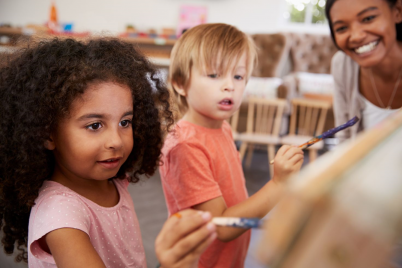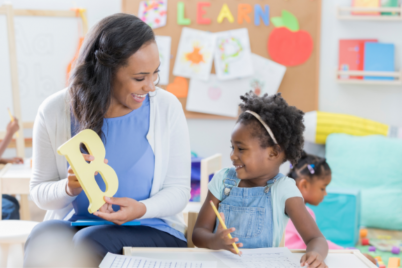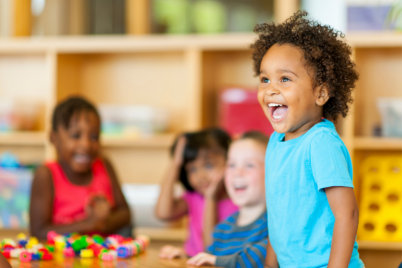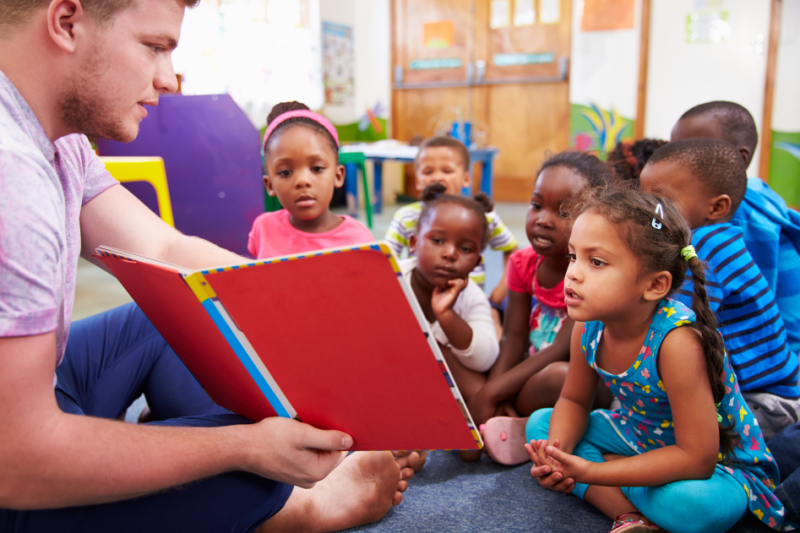
Preschool children participate in a group storytelling activity that helps them identify and express emotions — a key part of social-emotional learning in early childhood programs.
Early learning experts stress that emotional growth is just as vital as academic learning for young children’s success.
BY CLARISSE HIGH | Contributor
During the first few years of life, children experience tremendous growth—not only in language and motor skills, but also in how they understand and manage emotions. This process, known as social-emotional development, helps children build healthy relationships, solve problems, and succeed in learning and life.
Experts agree that these early emotional skills are just as crucial as learning numbers or letters. When children learn to share, take turns, and express their feelings, they develop empathy and confidence—key traits for school readiness and lifelong success. The Center on the Developing Child at Harvard University notes that emotionally supportive environments strengthen children’s brain development and help them thrive.
Early childhood educators play a vital role in promoting these skills. Through play, storytelling, and modeling kindness, teachers help children recognize and manage emotions. Families also make a difference by talking about feelings, reading stories, and encouraging positive social interactions at home. As communities invest in early education, focusing on social-emotional growth, they ensure that children are not only ready to learn but also ready to connect and care.
Building emotional strength early on helps children grow into compassionate, confident, and resilient individuals. The early years aren’t just about ABCs and 123s; they’re about helping children learn how to care, connect, and thrive.