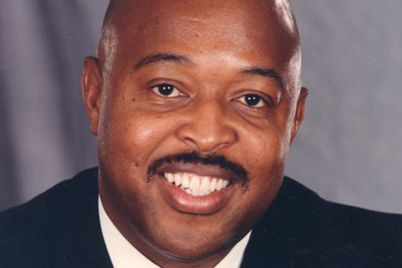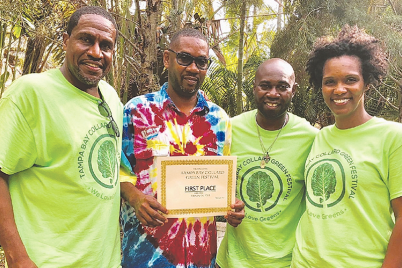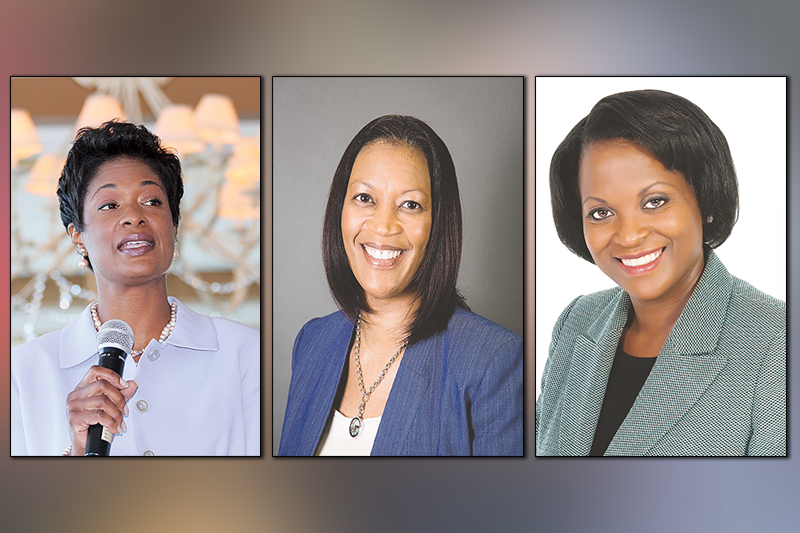
L-R, Angela Rouson, Delphinia Davis, Nikki Gaskin-Capehart
BY INDHIRA SUERO ACOSTA, Staff Writer
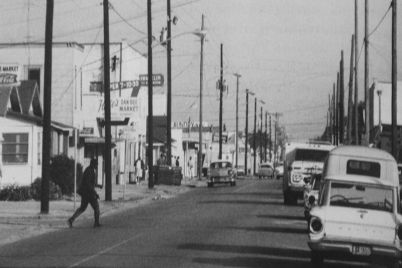
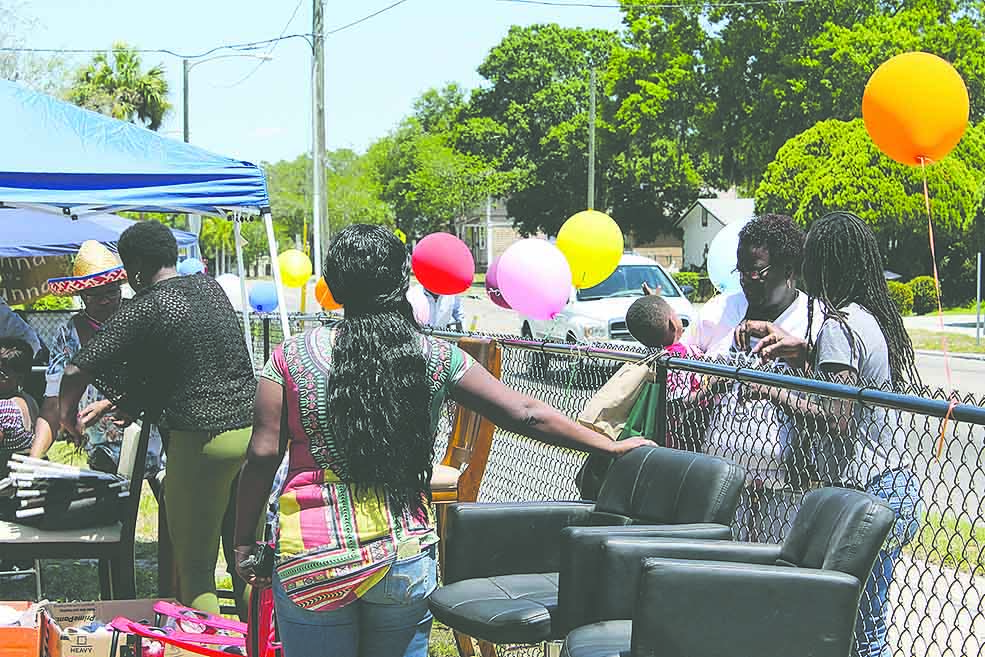
ST. PETERSBURG — In 2012, the Economic Impact of Poverty report for Pinellas County identified south St. Pete an area that occupies about one-third of the city, as one of five high-poverty zones in the county. The document also determined that urban poverty costs — including healthcare and housing — reached $2.3 billion a year. The majority of black women residing in the city live in those neighborhoods.
The U.S. Census indicated that the number of African Americans living in poverty in St. Petersburg fell beneath 13,251 by the end of last year, but those numbers are still grim. Data from 2016 showed a 25.2 percentage rate of poverty among black women in the state of Florida, placing it as the highest percentage among females.
Nikki Gaskin-Capehart, who serves as the City of St. Petersburg’s Director of Urban Affairs, indicated that one of the central issues that threaten women who live in those communities is poverty.
She emphasized the necessity of empowering women and obtaining an education. Eventually, that will lead to better paying jobs and open more entrepreneurial opportunities.
“Like any other community, when you have poverty, women in particular especially if they’re single moms, you have to deal with problems that make it much harder for them to be able to raise their children,” Gaskin-Capehart said.
But financial stress also causes a level of apathy. This according to Delphinia Davis, who heads the James B. Sanderlin Center and who is also the Chair of the Board of Commissioners for the St. Petersburg Housing Authority. Many of the women in poverty are in the system — whether food stamps or housing — and, from her perspective, they are content.
“I try to tell them you should have a plan; you can’t be in housing forever. A lot of them get content because they lack the education,” explained Davis, who said they feel life is fine since they have a roof over their heads and food stamps to buy groceries.
“They’re comfortable with that. I could be wrong, but I say it just based on the applications.”
The women in this community also face even more difficult obstacles than females of other races, according to Angela Rouson, former president of the National Council of Negro Women St. Petersburg.
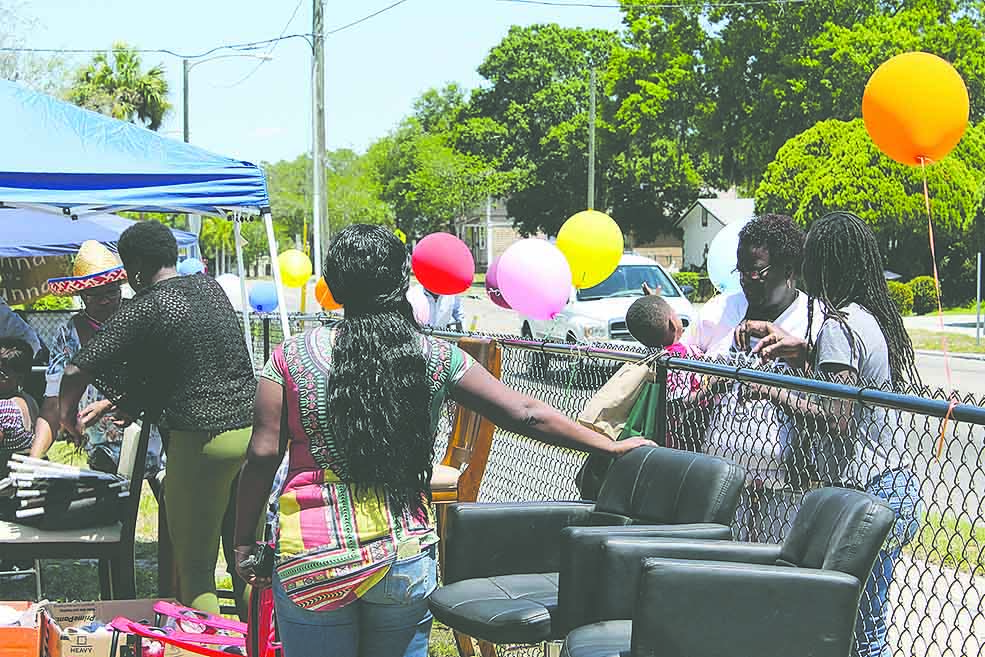
Data from 2016 showed a 25.2 percent of poverty rates among black women in the state of Florida, placing it as the highest percentage among females